Shamrock Heart Embroidery Design, St: A Designer's Real-World Review
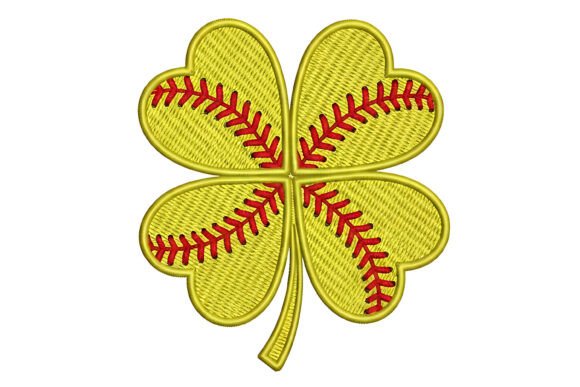
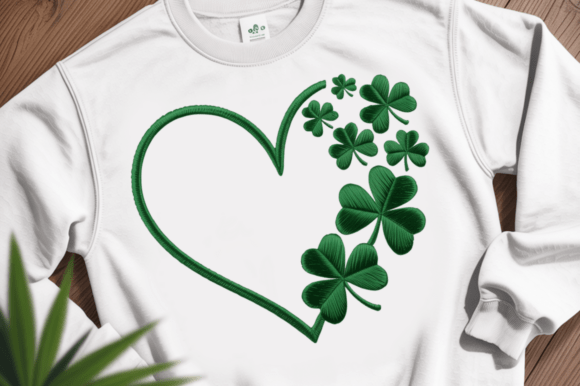
When I first opened the folder for Shamrock Heart Embroidery Design, St, I wasn't just looking at a pretty image; I was already visualizing the finished product on a customer's chest or a tote bag sitting on a craft fair table. As someone who has spent years turning digital files into tangible, stitched realities, my first impression is crucial. This design immediately strikes me as warm and inviting, blending the playful energy of a shamrock with the universal symbol of affection found in a heart shape. It creates a mood that feels both festive and deeply personal, making it an ideal candidate for holiday gifts, boutique branding, or personalized baby items.
The file description mentions a high-resolution PNG with a transparent background, which is excellent news for any crafter or Etsy seller planning to create printable mockups or prepare the design for cutting machines before stitching. However, when we talk about machine embroidery design, the pixel-perfect look of a PNG is only half the story. The real test lies in how those pixels translate into thread density, stitch direction, and fabric interaction. In this review, I will walk you through exactly how I would approach using Shamrock Heart Embroidery Design, St in a real project, what to watch out for, and why this specific graphic could be a standout addition to your small business inventory.
From Digital File to Finished Product: The Visual Journey
The layout of Shamrock Heart Embroidery Design, St suggests a balanced composition that works well on various surfaces. Unlike many designs that feel cluttered or overly busy, this one appears to have enough negative space to let the eye rest while still delivering a strong visual statement. When I imagine placing this on a light-colored sweatshirt, the contrast potential is immediate. If you are working with dark fabrics, you will need to consider how the thread colors will pop against the background, perhaps opting for a bright white underlay or a contrasting thread palette to ensure the heart and shamrock shapes remain distinct.
For a custom apparel project, such as a branded tote bag or a kitchen towel, the design's versatility shines. The combination of the leafy shamrock elements and the rounded heart shape offers a unique twist on traditional St. Patrick's Day motifs. It moves beyond the cliché of green beer and leprechauns, offering something more sentimental that appeals to a broader audience. Whether you are creating a personalized gift for a family member or producing a line of holiday embroidery products for your shop, this design bridges the gap between seasonal fun and timeless charm. The 300 dpi resolution ensures that when you zoom in on your computer screen to check the details, the edges remain crisp, giving you confidence that the final stitch work will be equally sharp.
Real-Life Application: Testing on Fabric
Let's say I am preparing a batch of embroidered patches for a local craft market. I pull up Shamrock Heart Embroidery Design, St in my digitizing software and start setting up the parameters. My first instinct is to evaluate the stitch density. Dense areas can cause puckering, especially on thinner fabrics like cotton tees or linen aprons. If the design includes heavy fill stitches within the heart or dense satin stitches outlining the shamrocks, I would advise testing on scrap fabric first. This step is non-negotiable for professional results.
I also had to consider the texture of the fabric. On a smooth, tightly woven polo shirt, the design might lay perfectly flat. However, if I were applying this to a textured fleece sweatshirt or a chunky knit sweater, the needle penetration could be challenging. The design might not hold its shape as well, and the threads could get lost in the fabric's nap. For these materials, I would recommend using a heavier stabilizer or even a tear-away backing to support the weight of the embroidery. Additionally, if you plan to use this as an applique design, the clear distinction between the heart and the shamrock allows for creative layering, adding depth and dimension that flat stitching alone cannot achieve.
Another scenario involves creating baby clothes. Parents often look for soft, gentle designs that won't irritate sensitive skin. While Shamrock Heart Embroidery Design, St looks adorable on a onesie, I would be cautious about placing dense stitch clusters directly over the neck or back of a baby garment. Instead, I would position it on the front pocket of a bib or the side of a blanket where the fabric is flatter and less likely to rub against the child. The design's clean lines make it suitable for baby embroidery, provided the stitch count isn't excessive.
Where Caution is Key: Limitations and Challenges
No design is perfect for every situation, and understanding the limitations of Shamrock Heart Embroidery Design, St is part of being a responsible designer. One area to be careful with is small hoop sizes. If you are trying to fit this design onto a tiny cap or a small patch, the details might get lost or become distorted during the stitching process. Curved surfaces, like the front of a baseball cap, require special attention to the angle of the needles and the tension of the threads. Without proper hooping techniques, the heart shape could appear elongated or the shamrock leaves might look uneven.
Furthermore, if you are working with stretchy fabrics like jersey knits, you must account for the movement of the material. Stretchy fabrics can distort the design unless you use a stabilizer specifically designed for knits or apply a water-soluble topping to prevent the stitches from sinking too deep. Another critical factor is the color of the fabric. On very dark backgrounds, the transparency of the PNG file doesn't matter; what matters is the opacity of the thread. You may need to adjust your thread selection or add extra layers of stitching to ensure the design stands out clearly.
Finally, consider the longevity of the product. If you are selling commercial embroidery items that will undergo frequent washing, the durability of the design becomes paramount. Designs with intricate corners or tiny lettering can fray over time if not executed correctly. Always inspect the small details of Shamrock Heart Embroidery Design, St under magnification before committing to a full production run. Check whether the design works for both personal and commercial projects by reviewing the licensing terms included with the download.
Practical Notes for the Modern Maker
Before you hit "stitch," there are several practical steps to take to ensure your embroidery project is a success. First, always test the design on a scrap piece of the same fabric you intend to use. This helps you gauge the thread color contrast and see how the stitch density interacts with the material. Second, review the hoop size requirements. If the design is large, you might need a larger hoop, which limits the types of garments you can embroider effectively.
It is also wise to create black and white mockups to see how the design translates without the influence of color. This helps you understand the balance of light and dark areas in the stitching. If you are an Etsy seller or running a craft business, using proper stabilizers and high-quality thread will elevate the perceived value of your handmade product. Customers notice the difference between a sloppy stitch job and a professional finish, and that attention to detail builds trust and encourages repeat purchases.
Ultimately, Shamrock Heart Embroidery Design, St is a versatile asset for anyone looking to expand their design assets library. Whether you are creating tote bag designs, sweatshirt embroidery, or holiday embroidery collections, this graphic offers a solid foundation for creativity. By approaching it with a critical eye and following best practices for machine embroidery design, you can turn a simple digital file into a cherished finished product that brings joy to your customers. Remember, the key to success lies in preparation, testing, and a commitment to quality.