Lucky Softball Clover Embroidery Design Review
As an experienced embroidery designer preparing for a busy weekend craft fair, I am constantly evaluating new digital assets to see if they have the potential to become best-sellers in my booth. Today, I am putting the Lucky Softball Clover Embroidery Design under the microscope. The concept is intriguing: a fusion of sports passion and traditional luck symbols. When I first looked at the product listing for this T-Shirt Designs category item, I immediately started visualizing how it would translate from a digital file into a tangible handmade product that customers can touch and feel.
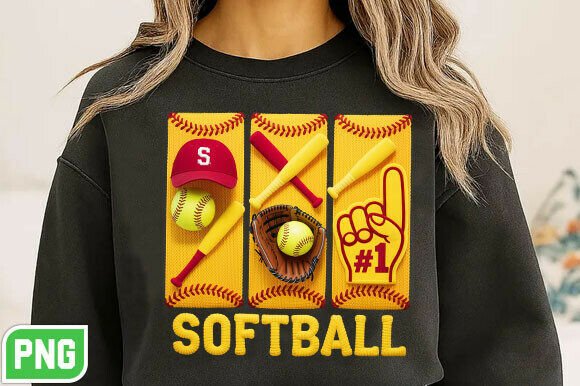
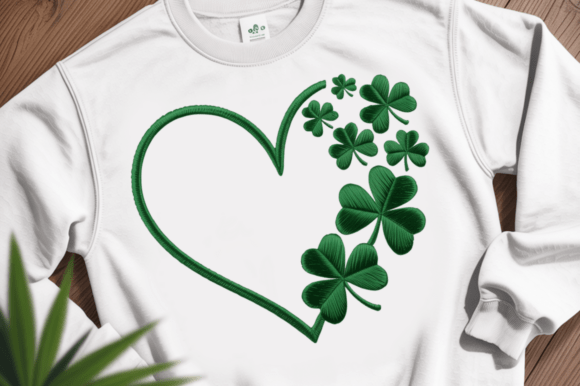
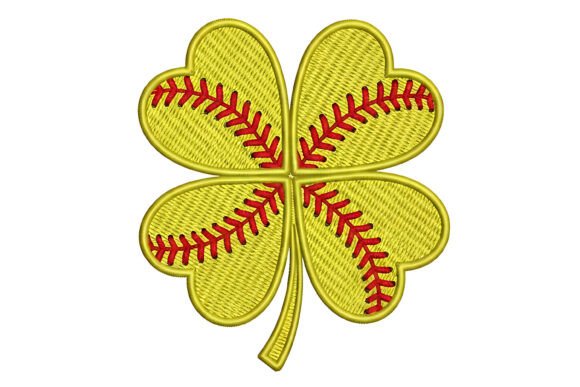
The description highlights a unique combination of a softball, a clover, and green leaf symbols. This specific mix suggests a design that feels both modern and rustic, perfect for the "farmhouse chic" aesthetic that dominates many handmade markets today. My initial impression is that this embroidery file has strong commercial potential, but only if executed with precision. It is not just a graphic; it is a machine embroidery design that needs to hold up under the scrutiny of a customer flipping through your booth inventory.
Visual Appeal and Market Fit
When I imagine setting up my display table with various crafter products, the Lucky Softball Clover Embroidery Design stands out because it bridges two distinct demographics: the dedicated softball community and the fans of lucky charms or nature-inspired decor. In a sea of generic floral patterns or standard team logos, this design offers a narrative. It speaks to the mother who coaches her daughter, the player who believes in good luck, or the fan who loves the game. This storytelling element is crucial for driving sales at a craft fair.
The inclusion of green leaf symbols adds a soft, organic touch that balances the sporty nature of the softball. This makes the design versatile enough to work on a wide range of commercial embroidery items. It does not feel overly aggressive or purely athletic; instead, it feels like a decorative accent that elevates everyday items. For an Etsy seller or a boutique maker, this duality allows you to market the same design asset to multiple customer segments without needing to create entirely new graphics.
Product Applications and Best Sellers
To maximize the return on this digital embroidery file, I need to decide where it will shine brightest. Based on current trends in craft fair products, here is how I plan to deploy the Lucky Softball Clover Embroidery Design:
- Tote Bags: A large, embroidered patch or centered design on a canvas tote bag is a classic seller. The durability of canvas pairs well with the likely high stitch density required for a softball image. This becomes an instant tote bag design that parents can use for practice gear.
- Apron Embroidery: Placing this design on the chest pocket or the bib of a kitchen apron creates a charming apron embroidery piece. It transforms a utilitarian item into a gift that celebrates the intersection of cooking and sports.
- Tea Towel Embroidery: For the home cook who is also a sports mom, a tea towel embroidery featuring the clover and ball is a thoughtful, giftable item. The white fabric provides excellent contrast for the thread colors.
- Embroidered Patch: The description mentions a patch symbol. This design could be produced as a standalone iron-on or sew-on patch. Patches are low-risk, high-margin items that appeal to buyers looking for a quick upgrade to their own jackets or bags.
- Caps and Headwear: While curved surfaces present challenges, a small, well-placed version of this design on a baseball cap or visor could be a hit for local teams.
- Fabric Pouches and Pillow Covers: Small accessories like zipper pouches for makeup or pens, and throw pillow covers, allow for creative repetition of the motif.
For my booth display, I would prioritize the tote bags and aprons as focal points. These larger items showcase the detail of the design assets better than smaller items. However, I would keep a stack of the embroidered patches available for impulse buys, as they are affordable entry points for customers browsing the small shop product offerings.
Production Practicality and Quality Control
Before I commit to producing a batch for sale, I must address the technical realities of turning this Graphics file into a finished product. The success of any handmade product relies heavily on the stability of the stitches and the clarity of the image.
I need to carefully evaluate the stitch density. If the softball and clover details are too intricate, the design may pucker on thinner fabrics like cotton tea towels. Conversely, if the density is too low, the design might look sparse on dark fabrics. I will test the machine embroidery design on scrap fabric first to ensure the thread colors pop against the background. The green leaf symbol requires a specific shade that contrasts well with the rest of the imagery to avoid blending in.
Another critical factor is the hoop size. If the final design is intended for a cap, I must ensure the digitization accounts for the curvature of the hat. A flat hoop test is essential before attempting production on curved surfaces. Additionally, I must verify the stabilizer choice. For items like aprons and tote bags, a cut-away stabilizer is often necessary to prevent the heavy stitching from distorting the fabric over time. For lighter items like tea towels, a tear-away might suffice, but testing is non-negotiable.
I also need to consider the fabric texture. Textured towels or woven canvas can sometimes obscure fine details. If the Lucky Softball Clover Embroidery Design includes tiny lettering or very small lines, these elements might get lost in the weave of the fabric. In such cases, simplifying the design or increasing the size of the motifs would be wise to maintain clarity.
Selling Strategy and Customer Engagement
How does this design affect the overall value proposition? A well-executed embroidery design signals quality. Customers at craft fairs are willing to pay a premium for items that look professionally finished. The Lucky Softball Clover Embroidery Design has the potential to elevate a simple tote bag into a premium gift item. The combination of the sport and the lucky charm creates an emotional connection, which is a powerful tool for buyer engagement.
Photographing this for online listings or social media marketing will require attention to lighting. Since the design features green leaves and likely colorful threads, natural light will help capture the true thread colors. Creating a printable mockup beforehand can help visualize how the design looks on different backgrounds, ensuring consistency across my Etsy listings and booth displays.
It is also vital to confirm the commercial licensing terms before selling finished products. Even though the product description mentions receiving JPEG and PNG files in a ZIP folder, I must ensure that the license explicitly permits the creation of physical goods for resale. Many digital sellers offer designs for personal use only, so verifying this detail is a crucial step for any creative entrepreneur.
Final Verdict
The Lucky Softball Clover Embroidery Design is a promising addition to my collection of graphics for the upcoming season. Its ability to blend sports enthusiasm with decorative charm makes it highly adaptable for various craft fair products. By carefully managing the production process—checking stitch density, selecting the right stabilizer, and testing on different fabrics—I can turn this digital asset into a standout item that drives sales.
For fellow Etsy sellers and boutique makers, this design serves as a reminder that successful products often come from unexpected combinations. Whether used on a tote bag design, an apron embroidery project, or as a standalone embroidered patch, the key lies in execution. Take the time to review the spacing, inspect the stitch density, and create at least one real mockup to ensure the final result meets the high standards expected by handmade market shoppers. With the right approach, this design can be a reliable money-maker for any handmade business.