Pigeons Embroidery Design Review
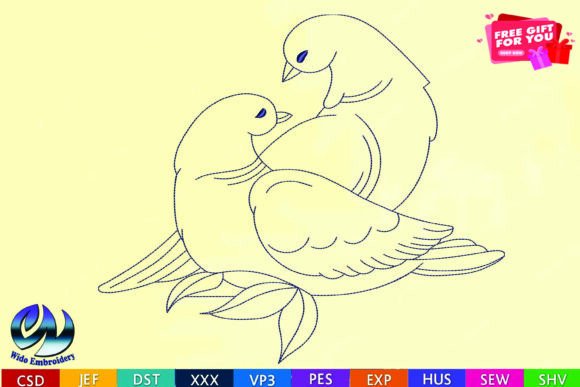
As an experienced embroidery designer who has spent countless weekends setting up booths at local craft fairs, I know that the difference between a product that sits on the table and one that sells out by noon often comes down to the design itself. Today, I am reviewing the Pigeons Embroidery Design, specifically looking at its potential for handmade market products. With this package offering five sizes and ten formats, including a logo applique option, it presents a versatile tool for any creative entrepreneur. But does it truly have the "craft fair appeal" needed to turn browsers into buyers?
The First Impression: Visual Appeal and Style
When I first opened the file set for Pigeons Embroidery Design, my immediate thought was about versatility. The title suggests a subject matter that is universally loved but often underrepresented in modern embroidery shops. Unlike generic floral patterns or overly complex cityscapes, pigeons offer a charming, rustic, and slightly urban aesthetic that fits perfectly with current farmhouse and cottagecore trends. The inclusion of a logo applique option adds a layer of premium quality that can elevate a simple tote bag into a high-value boutique item.
This design feels both bold and soft. It is not just a simple outline; it promises enough detail to look good on a large tea towel while remaining distinct enough as a small accent on a cap. For an Etsy seller or a small shop owner, this balance is crucial. A design that is too intricate loses definition when stitched small, while a design that is too minimal can feel cheap on larger items. Based on the description, Pigeons Embroidery Design strikes a strong visual chord that works well for both decorative and commercial purposes.
Product Potential: Where This Design Shines
Imagine walking through a bustling craft fair booth. What catches the eye? Often, it is the texture of the stitching and the clever placement of the art. Here is how Pigeons Embroidery Design performs across various high-demand categories:
- Tote Bags and Market Bags: This is where the design truly sings. A medium-sized pigeon motif centered on a canvas tote creates an instant statement piece. The applique version would add incredible depth, making the birds appear almost three-dimensional against the fabric. These are perfect for tote bag design projects that customers want to carry to farmers markets or coffee shops.
- Kitchen Towels and Aprons: The charm of pigeons fits surprisingly well in a kitchen setting, especially if paired with other bird-themed elements. On a white tea towel, the contrast of the thread colors will make the design pop. It serves as excellent tea towel embroidery that adds personality to a home without being overwhelming.
- Caps and Patches: For smaller items like caps, the 5-size variety is a lifesaver. You can use the smallest size as a subtle chest logo or create custom embroidered patches using the larger files. These embroidered patch options are highly desirable for young adults and outdoor enthusiasts who love unique accessories.
- Pillow Covers and Quilt Blocks: The description mentions quilt blocks, which is a fantastic angle. If you are selling to quilters or makers of home decor, this design offers a great focal point for pillow covers. It transforms a plain linen cushion into a conversation starter.
- Giftable Handmade Items: Small pouches and coin purses featuring this design make for affordable yet thoughtful gifts. The "birds" theme appeals to nature lovers, making it a safe bet for gift-giving seasons.
Practical Selling and Production Points
From a production standpoint, having Pigeons Embroidery Design available in 10 formats is a significant advantage. As a digital seller, I know that compatibility is key. Whether your clients use Brother, Janome, Bernina, or Tajima machines, having multiple file types ensures you don't lose sales due to format issues. However, before rushing into batch production, consider the practicalities of selling these items.
How easy is the design to understand at a glance? In a crowded booth, customers often scan products from a distance. This design needs to be legible even from a few feet away. If the stitch density is too low, the image may look sparse. If it is too high, the fabric might pucker, ruining the hand-feel of the product. The ability to adjust the size allows you to optimize the stitch count for different fabrics, ensuring the final product looks professional.
Photography for online listings is another critical factor. A well-stitched pigeon design on a textured fabric photograph beautifully, highlighting the dimensionality of the stitches. This makes it ideal for creating printable mockups that can drive traffic to your Etsy shop. The design's clarity means it translates well to digital images, helping you showcase the finished product effectively.
Real-World Usage: Booth Display Strength
When setting up a display, you want items that draw people in. Pigeons Embroidery Design has the potential to be a booth highlight. Imagine a wall of aprons with varying sizes of the pigeon motif, or a rack of tote bags where each one features a different colorway of the same design. The repetition of a beloved subject matter builds brand consistency and encourages impulse buys.
For the Etsy seller or small shop product creator, this design offers a way to diversify inventory without needing to create new artwork from scratch. It is a reliable asset that can be used to create a cohesive collection. Whether you are selling a single custom order or a batch of pre-made goods, the design's flexibility allows you to cater to different price points and customer preferences.
Crucial Designer Notes for Success
While the design sounds promising, there are specific technical considerations every embroiderer must address before putting these items up for sale. You MUST have an embroidery machine and the software to utilize this digital embroidery file. Without the proper tools, the design remains just a concept.
Test Before You Sell: Always test the design on scrap fabric first. Check the stitch density carefully. Dense areas can cause puckering, especially on lightweight fabrics like cotton voile or thin polyester blends. Ensure you are using the correct stabilizer to support the fabric during stitching. For heavy items like denim or thick towels, a cut-away stabilizer is often necessary to maintain shape.
Fabric Texture and Color: The appearance of the thread colors will change depending on the background. A design that looks vibrant on white might get lost on a dark navy bag unless you use a high-density underlay or a contrasting backing. Always compare fabric colors before committing to a full production run. If you plan to sell on dark fabrics, ensure the design includes a satin border or sufficient fill to cover the base material.
Hoop Size and Spacing: Confirm the hoop size required for the largest and smallest versions of the design. If you are working with curved surfaces like caps, you will need a specialized cap hoop and perhaps a different digitizing approach to ensure the curves lay flat. Do not attempt to stretch the design beyond its intended dimensions, as this can distort the image and ruin the embroidery file's integrity.
Licensing and Commercial Rights: Before selling finished products, double-check the commercial licensing terms included with the purchase. Some designs allow for unlimited sales, while others restrict the number of units. As a responsible commercial embroidery practitioner, respecting these terms protects your business and supports the original artist.
In conclusion, Pigeons Embroidery Design is a strong candidate for any crafter looking to expand their market offerings. Its range of sizes and formats provides the flexibility needed for diverse products, from apron embroidery to tote bag design. By paying attention to the technical details—such as stabilizer choice, thread contrast, and fabric texture—you can transform this digital asset into high-quality, sellable handmade products that stand out at any craft fair or online marketplace.