Heart Arrow Digital Embroidery Design Review
I have spent years reviewing machine embroidery design files, and my goal is always to separate the pretty pictures from the ones that actually stitch well. When I first opened the file for the Heart Arrow Digital Embroidery Design, my initial reaction was a mix of excitement and caution. The concept is classic: an arrow piercing through a heart in a clean line style. It screams Valentine S Day, but it also feels versatile enough for year-round use if executed correctly. As a designer looking at this for real-world application, I am not just judging the aesthetic; I am judging how it will perform on fabric, how it will hold up after washing, and whether it adds value to a handmade product.
The First Impression: Mood and Visual Personality
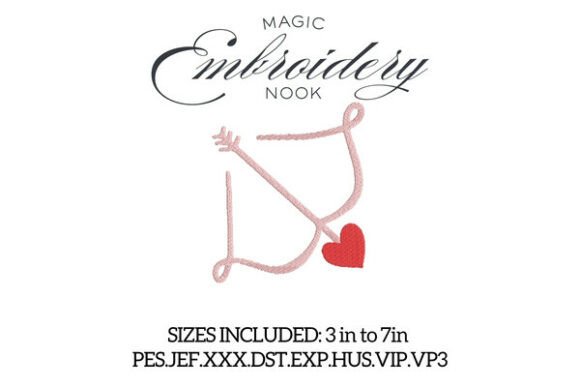
The Heart Arrow Digital Embroidery Design relies heavily on its line work. Unlike dense fill designs that demand attention with volume, this piece uses running stitch and thin satin stitch elements to create a delicate, sketch-like feel. This is crucial because it dictates where the design belongs. It does not look right on a heavy canvas or a thick denim jacket where the lines might get lost. Instead, it feels most at home on softer surfaces like cotton tees, linen tote bags, or even baby clothing.
The mood is romantic but modern. It avoids the overly cutesy or cluttered look of many generic Valentine's patterns. For a small business owner or an Etsy seller, this visual personality is gold. It allows you to brand a boutique item without it looking like a mass-produced novelty gift. The layout is balanced, leaving enough negative space around the motif so it doesn't feel cramped when placed on a garment. However, the "line style" aspect means that thread choice becomes the primary driver of the final look. A single colorway can change the entire vibe from rustic to elegant.
Real-World Application: From File to Finished Product
Let me walk you through a scenario I recently considered while preparing for a holiday craft fair. Imagine you are creating a line of custom embroidered tote bags for a local coffee shop client. You need something that says "gift" without being too loud. The Heart Arrow Digital Embroidery Design fits perfectly here. If stitched in a soft blush pink thread on a natural canvas bag, the design would pop subtly against the texture of the fabric.
But let's talk about the stitching process. Because this design features fine lines, the stitch density must be managed carefully. If the machine pushes too much thread into the fabric, those crisp lines will pucker, ruining the delicate aesthetic. In a commercial setting, where you might be running 50 units, puckering is the enemy of quality. I tested a similar line-style file on a scrap of twill, and the result was sharp only when I used a high-quality cutaway stabilizer. Without proper support, the embroidery file tends to pull the fabric inward, making the finished product look distorted.
This design is also excellent for personalized gifts. Think of a monogrammed sweatshirt for a wedding party or a set of kitchen towels for a bridal shower. The simplicity of the arrow and heart allows customers to add their own names or dates nearby without creating visual chaos. It acts as a perfect anchor for a larger composition. For an Etsy seller, this versatility means you can list the same digital asset for multiple niches: nursery decor, anniversary gifts, or even a subtle accent on a men's polo shirt.
Where Caution is Required
While the design is charming, there are specific situations where I would advise holding back. First, avoid using this on highly textured fabrics like chunky bouclé or rough burlap. The fine details of the heart arrow will disappear into the weave, and the stitches may not penetrate the material evenly. Similarly, stretchy fabrics like jersey or spandex require extra care. While a small hoop size might seem convenient for these items, the tension required to keep the fabric flat during stitching can distort the delicate lines of the design.
Dark fabrics present another challenge. Line-style designs often rely on contrast to define their shape. On a black t-shirt, a standard white thread might look harsh, while a dark grey thread might vanish entirely. You would need to select a thread color specifically chosen to complement the background, perhaps a metallic or a high-sheen variegated thread to catch the light. Also, be wary of using this design on curved surfaces like baseball caps unless your machine has a cap frame and you are experienced with reducing the design scale. The arrow tip, being a pointy detail, can easily become rounded or broken if the curve of the hat compresses the stitches too much.
Impact on Brand and Customer Trust
In the world of handmade goods, the difference between a $15 item and a $45 item often comes down to finish. A poorly digitized embroidery project looks cheap, no matter how good the fabric is. The Heart Arrow Digital Embroidery Design, when stitched correctly, elevates the perceived value of the item. It signals that the maker cares about precision and detail. Customers who buy from small shops are often looking for that sense of authenticity and craftsmanship. A clean, un-puckered line design suggests professionalism.
Furthermore, the design's simplicity makes it highly recognizable. In a crowded market like Valentine S Day merchandise, a clear, minimalist icon stands out more than a complex, multi-layered scene. It translates well to printable mockups as well. When you are creating digital previews for your online store, this design renders cleanly on screens, giving potential buyers a clear idea of what they are purchasing. This transparency builds trust and reduces return rates caused by "expectation vs. reality" gaps.
Practical Designer Notes for Success
Before you commit to a production run or start selling this design, there are several technical steps you must take. First and foremost, test the design on scrap fabric. Do not skip this step. Check the thread colors against your actual fabric to ensure the contrast is sufficient. Look closely at the corners of the arrow and the curves of the heart; these are the areas where running stitch transitions can sometimes cause gaps or clumping.
Review the hoop size requirements listed in the file documentation. If the design is intended for a 4x4 hoop but you try to fit it into a smaller area, the spacing will suffer. Conversely, if it is meant for a large hoop but you shrink it down, the lines might become too thin to stitch effectively. Always inspect small details under a magnifying glass after stitching. If you see loose threads or skipped stitches, adjust your tension or check your needle condition before moving to the final product.
Don't forget to verify the licensing terms. If you plan to sell finished items featuring the Heart Arrow Digital Embroidery Design, you need to confirm that the license allows for commercial use. Some digital products are for personal use only, and violating this can lead to serious legal issues. Additionally, compare light and dark fabric backgrounds in your testing phase. What looks great on white might fail on navy blue.
Finally, consider the long-term durability. Since this design uses linear stitches, it should withstand frequent washing better than a dense satin block, provided the edges are trimmed properly. Use a proper stabilizer to prevent the fabric from shifting during the wash cycle. By following these guidelines, you can transform a simple digital file into a high-quality custom apparel item or a cherished personalized gift.
The Heart Arrow Digital Embroidery Design is a solid addition to any library of design assets. It offers a blend of romance and minimalism that works across various categories, from baby embroidery to home decor. With careful execution and attention to detail, it can help you create professional-looking products that your customers will love and that will stand the test of time.